Source Organic Honokiol Extract for Medicine, Health Care, and Functional Food
Find 30 verified suppliers of organic honokiol extract for medicine, health care products, and functional food applications. Compare specifications including purity levels above 98% and 99%, assay methods like HPLC, and packaging options to identify suitable manufacturers for your sourcing needs.
Key considerations
Products List








Comprehensive Sourcing Guide
Organic Honokiol Extract Sourcing Guide
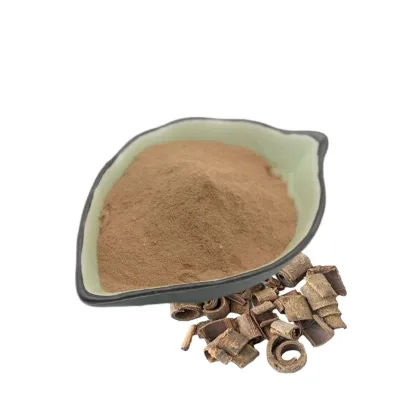
Buyers seeking organic honokiol extract must first distinguish between raw botanical material and standardized extracts, as the market offers both forms with distinct processing requirements. The observed product listings indicate that the primary raw material is Magnolia Bark, specifically sourced from Magnolia officinalis, which undergoes solvent extraction to isolate the active ingredients. This extraction process is critical for achieving the high purity levels observed in listings, which range from 98% to 99% for the specific compounds honokiol and magnolol. Procurement teams should verify that the "organic" designation applies to the cultivation method, noting that some suppliers utilize artificial planting rather than wild harvesting, which impacts the consistency and regulatory status of the final botanical ingredient.
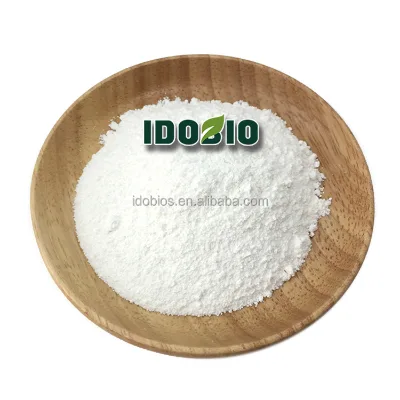
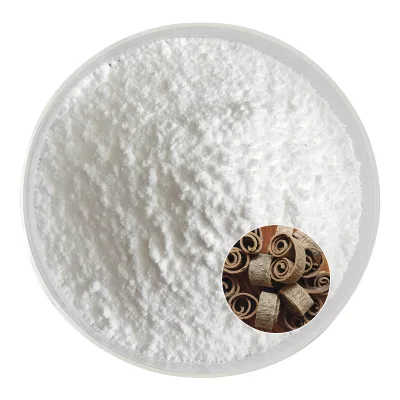
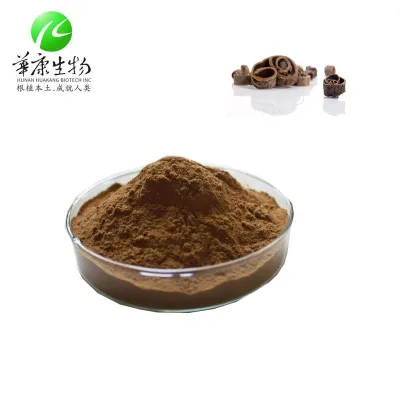
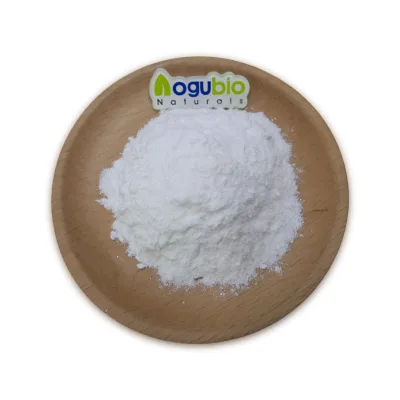
The physical state of the product is consistently observed as a white to brown powder, with specific listings highlighting a white powder form for higher purity grades. This variation in appearance can signal differences in the extraction efficiency or the presence of other botanical constituents, requiring buyers to align their visual inspection protocols with their specific application needs. Whether the end product is intended for medicine, health care products, or functional food, the starting material must be a natural preservative derived from the bark. Buyers should confirm that the supplier's extraction type matches their quality expectations, as solvent extraction is the standard method cited for producing these high-concentration herbal supplements.
Product Scope and Observed Listing Signals
The product scope for honokiol extract is defined by its application in medicine, health care products, and functional food or cosmetic raw materials. Listings frequently specify the active ingredient as honokiol, often paired with magnolol, indicating that the extract is marketed for its synergistic botanical properties. The observed specifications show a wide range of purity levels, from 2% to 98%, allowing buyers to select grades that match their formulation requirements. This flexibility is essential for manufacturers who need to balance potency with cost, as higher purity grades command different pricing structures and may require different handling procedures during the manufacturing process.
Procurement signals also include the availability of customization services, such as OEM, ODM, and private label options, which are critical for brands looking to differentiate their offerings. The observed packaging formats, ranging from 1kg aluminum foil bags to 25kg drums, suggest that suppliers cater to both small-scale R&D testing and large-scale industrial production. Buyers should note that the selling units are often listed as single items, which implies a flexible ordering structure that can accommodate trial batches before committing to larger volumes. This adaptability in packaging and service models allows for a more strategic approach to inventory management and supply chain planning.
Technical Specifications to Verify
Verification of the assay method is a primary technical requirement, as the supplied facts list UV, HPLC, and HPLC-MS as the standard testing protocols for these extracts. Buyers must ensure that the supplier provides a Certificate of Analysis (CoA) generated using one of these validated methods to confirm the concentration of honokiol and magnolol. The observed purity claims of above 98% or 99% are significant technical benchmarks that must be backed by rigorous analytical data. Without a CoA referencing these specific methods, the stated purity levels cannot be independently verified, posing a risk to product quality and regulatory compliance in the target market.
The physical specifications of the powder, including its state and color, must be cross-referenced with the intended application to ensure compatibility. While the general observation is a white powder, some listings note a white to brown color variation, which may indicate different levels of refinement or the presence of other botanical compounds. Buyers should verify the specific model number or product standard, such as "99%" or "2%-98%", to ensure the extract meets the precise potency requirements of their formulation. Additionally, the shelf life of 24 months is a critical parameter for inventory planning, and buyers should confirm that storage conditions align with maintaining this stability over the product's lifecycle.
Compliance and Safety Documentation
Compliance documentation for honokiol extract must address the specific certifications observed in the market, including HACCP, ISO, and BRC standards. These certifications indicate that the supplier adheres to rigorous food safety and quality management systems, which is essential for products destined for human consumption in medicine or health care sectors. Buyers should request current certification documents to verify that the facility maintains these standards throughout the production and packaging process. The absence of these certifications may suggest a lower level of quality control, which could lead to regulatory hurdles or product recalls in international markets.
Safety documentation also requires a clear understanding of the product's origin and cultivation method to ensure it meets organic or natural preservative claims. The observed data points to origins in China, specifically Jiangsu and Shaanxi provinces, where artificial planting is a noted cultivation method. Buyers must verify that the "organic" label is supported by valid organic certification from a recognized body, as the term can be used loosely in some contexts. Furthermore, the extraction type, identified as solvent extraction, requires documentation confirming that residual solvents are within acceptable safety limits, ensuring the final extract is safe for use in functional foods and cosmetics.
Cost Drivers and Commercial Terms
The cost of honokiol extract is heavily influenced by the purity level and the specific assay method used to verify it. Listings show a wide price range, reflecting the difference between lower concentration extracts and high-purity grades exceeding 99%. Buyers should anticipate that higher purity grades will carry a premium due to the additional processing and rigorous testing required to achieve these specifications. Understanding the relationship between purity and cost is essential for budgeting, as the price per kilogram can vary significantly depending on the concentration of the active ingredients honokiol and magnolol.
Commercial terms such as Minimum Order Quantity (MOQ) and supply ability are critical factors in the procurement strategy. The observed MOQ ranges from 1kg to 1000kg, with specific listings indicating a standard MOQ of 1kg, which facilitates entry for smaller buyers. However, the supply ability is capped at 3000 kilograms per month, which may constrain large-scale procurement efforts. Buyers must align their order volumes with the supplier's production capacity to avoid delays, and they should negotiate lead times and shipping terms, such as dispatch from Tianjin, Shanghai, or Qingdao, to ensure timely delivery for their production schedules.
Supplier Qualification and Quality Control
Supplier qualification begins with verifying the brand and model number to ensure the product matches the specific technical requirements of the buyer. Observed brands like IDOBIO and BCI, along with model numbers such as IDOBIO-Magnolia Bark Extract, provide a traceability framework that buyers should utilize to track product consistency. It is essential to confirm that the supplier has a dedicated quality control process that includes sampling, with observed sample sizes ranging from 10-20g. This allows buyers to conduct their own preliminary testing before committing to a larger purchase, ensuring the product meets their internal quality standards.
Quality control also extends to the packaging and storage conditions, which are vital for maintaining the 24-month shelf life of the extract. The observed packaging details, including 1kg aluminum foil bags and 25kg drums, are designed to protect the powder from moisture and light, which can degrade the active ingredients. Buyers should inspect the packaging integrity upon receipt and verify that the storage environment matches the supplier's recommendations. Additionally, the availability of customization services like private labeling suggests that the supplier has the flexibility to meet specific branding and packaging needs, which is a key indicator of a robust and customer-focused quality management system.
Long-Term Procurement Checks
Long-term procurement requires establishing a consistent relationship with suppliers who can maintain the observed quality standards over time. Buyers should implement a periodic review process to ensure that the supplier continues to meet the HACCP, ISO, and BRC certification requirements without lapse. Regular audits or requests for updated CoAs are necessary to verify that the purity levels and assay methods remain consistent with the initial purchase. This proactive approach helps mitigate the risk of quality drift, which can occur if a supplier changes their extraction process or raw material source without notification.
Supply chain resilience is another critical aspect of long-term planning, particularly given the observed supply ability limits and the specific geographic origins in China. Buyers should develop contingency plans to address potential disruptions in the supply of Magnolia Bark from Jiangsu or Shaanxi provinces. Diversifying suppliers or maintaining a safety stock of high-purity extracts can help buffer against market volatility or logistical delays. Furthermore, buyers should monitor the market for changes in the cultivation methods or extraction technologies that could impact the availability or cost of organic honokiol extract, ensuring their procurement strategy remains agile and responsive to industry shifts.
FAQs
What is the typical purity level for organic honokiol extract?
The typical purity level for organic honokiol extract is above 98% or 99%. This high concentration ensures efficacy in medicine and health care products while meeting strict quality standards for herbal supplements.
How is the organic honokiol extract packaged for shipment?
The organic honokiol extract is packaged in 1kg aluminum foil bags or 25kg drums. These options provide secure storage and protection against moisture, ensuring the white powder remains stable during international transport.
Can I request custom packaging for organic honokiol extract orders?
Yes, customization is available for organic honokiol extract orders. Buyers can often specify packaging details to meet specific logistical needs while maintaining the integrity of the natural preservative ingredients within the product.
Which certifications are held by organic honokiol extract manufacturers?
Manufacturers of organic honokiol extract typically hold HACCP, ISO, and BRC certifications. These standards verify that production processes meet rigorous safety and quality requirements for food, cosmetic, and health food applications.
What is the minimum order quantity for organic honokiol extract?
The minimum order quantity for organic honokiol extract is generally 1kg. This low threshold allows buyers to test product quality before committing to larger bulk purchases for functional food or cosmetic raw material needs.
How long is the shelf life of organic honokiol extract powder?
The shelf life of organic honokiol extract powder is 24 months when stored correctly. This duration ensures the active ingredient remains potent for use in medicine, health care products, and various cosmetic formulations.
Which extraction method is used for organic honokiol extract?
Solvent extraction is the primary method used for organic honokiol extract. This technique efficiently isolates the active ingredient from Magnolia bark to produce a high-purity white powder suitable for diverse industrial applications.